
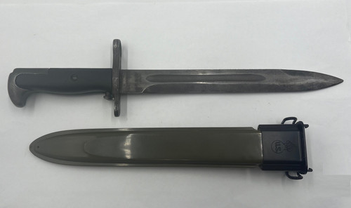
Cleaning, Preserving and Maintaining Bayonets
Mar 24th 2026
Replica bayonets are one thing. Historical bayonets, original bayonets, that may have either been surplus or seen service. One is replaceable and the other is not.
Therefore, knowing how to properly care for the historical items in your collection is essential. Here are some high-level notes for cleaning, preservation, storage and general maintenance, not inclusive of restoration, which is another topic.
Cleaning
Before cleaning any bayonet, be prepared with the essentials:
- Gloves to protect your hands
- Nylon or brass brushes
- Cotton swabs, picks or clean cotton patches or cloths
- An appropriate oil or microcrystalline wax to preserve the surface
- Optional: a bore solvent for removing rust and any powder fouling.
The first step is to clean the scales and blade by dislodging any debris that can be removed mechanically with the nylon brush. The use of nylon here will help prevent damage to the scales or blade.
You may want to use the cotton swabs or picks at this point to remove any debris that’s noticeable near where the blade meets the hilt, under the crossguard, or where the fasteners secure the scales to the tang. A pick can also be useful for cleaning any gaps around the tang and scales.
Once you’ve removed any loose debris, you will want to see if there is any powder fouling present on the blade, which might be there in the case of bayonets that may have been used in combat or for live-fire training.
Now is also the time to inspect the blade closely for signs of rust or light corrosion. In both cases, you may be able to remove this with an application of bore solvent.
Let a drop fall on one side of the blade, then use the nylon brush to scrub the blade lightly. If the nylon brush isn’t working, try the brass brush. Brass is hard enough to remove light rust and fouling, but should be too soft to damage the blade. Don’t be too aggressive as you don’t want to damage any finish on the blade.
Once you have loosened the fouling or corrosion, wipe the blade clean with a dry cotton patch. Be careful not to allow any solvent to contact the bayonet scales, especially if they are a plastic synthetic like phenolic, or wood, as the solvent may damage them.
With the blade clean, you can pay closer attention to the scales and handle hardware. Use a little bit of warm water and a mild detergent. Use no harsh solvents or chemicals here as you don’t want to damage the scales.
Lightly wipe down the scales, then use cotton swabs or picks to clear out any debris around the muzzle ring or latches that secure the bayonet if they are present. When you’re done, clean and dry the handle.
If your bayonet has an accompanying scabbard, clean the area around the throat of the scabbard where fouling and other debris may have accumulated. On cotton or nylon, you can use a mild fabric cleaner. If the scabbard has leather components, you may want to use a leather treatment like neatsfoot oil to restore suppleness and prevent cracking.
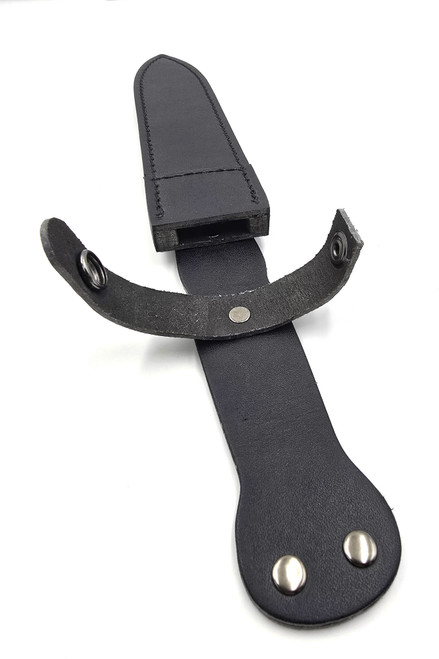
Once you’ve cleaned the bayonet and scabbard, make sure you thoroughly dry everything. Then you can lubricate any moving parts, such as if there is a spring or latch on the scabbard, or any latches or clasps on the bayonet hilt.
Additionally, once the blade is clean and dry, you can add a drop of oil to either side of the blade to help prevent corrosion. Alternatively, you may want to use microcrystalline wax on the blade as it will perform the same function and will last longer.
If the bayonet has wood scales and your treatment is safe, according to manufacturer instructions, on wood, you may want to use it there too.
Preservation and Storage
Like historic guns and military surplus firearms, bayonets should be maintained and stored under protected, climate-controlled conditions.
In addition, storage in a locked case that enables viewing while protecting against dust and UV light is advisable.
It is also imperative that you store your bayonets under conditions that are cool and dry. Temperature fluctuations should be avoided and humidity should be controlled at less than 50%.
When in Doubt
When cleaning or restoring military collectibles such as bayonets:
- Never use harsh cleaners or solvents inappropriate for the job.
- Don’t use abrasive cleaners, compounds or products like steel wire brushes or steel wool which can scratch wood, steel, and damage finishes.
- Make sure items are fully dry before reassembly (if disassembly was necessary) or before storage.
- Don’t soak the blade or hilt in solvent or any other cleaner. Apply topically and only as needed.
One note for collectors of historical bayonets for sale. If you are not comfortable with any of the protocols or procedures listed in this article, take your military collectibles to a specialist for cleaning or restoration because if the wrong products are used or applied in improper manner, you can do irreversible damage to priceless antiques.
Explore Bayonets for Sale
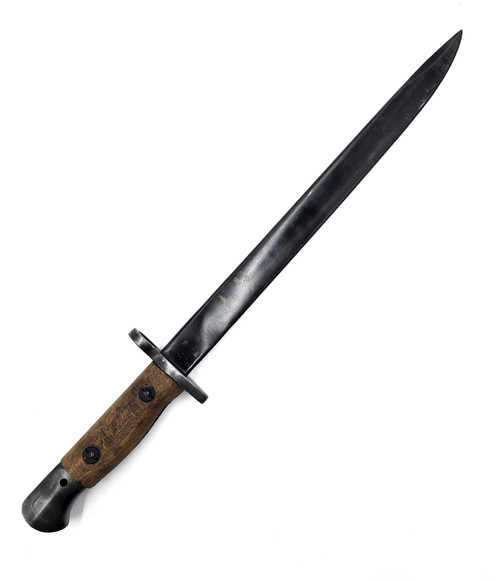
Want to add something new to your collection? Whether you’re looking for an original or a replica bayonet for sale, we have you covered. Take a look through our collection and get in touch with us if you have any questions.